
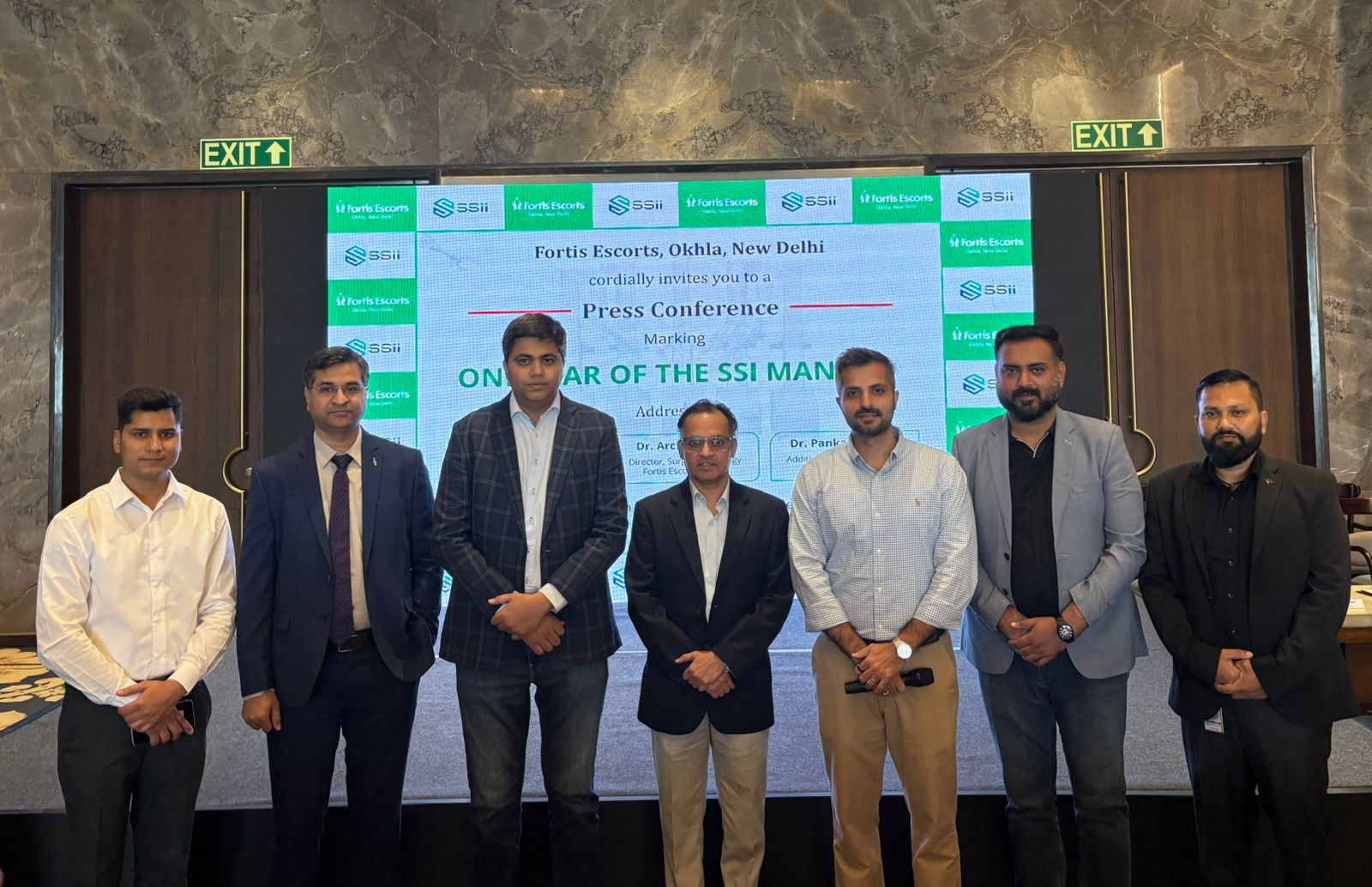
Dehradun is steadily emerging as a hub for advanced medical innovation, with robotic-assisted surgery taking centre stage at a recent Continuing Medical Education (CME) programme hosted at Hyatt Centric Dehradun. Organised by Fortis Escorts Okhla Hospital and SS Innovations International in collaboration with the Surgical Society Dehradun, the event brought together leading experts to explore the future of robotic surgery in India.
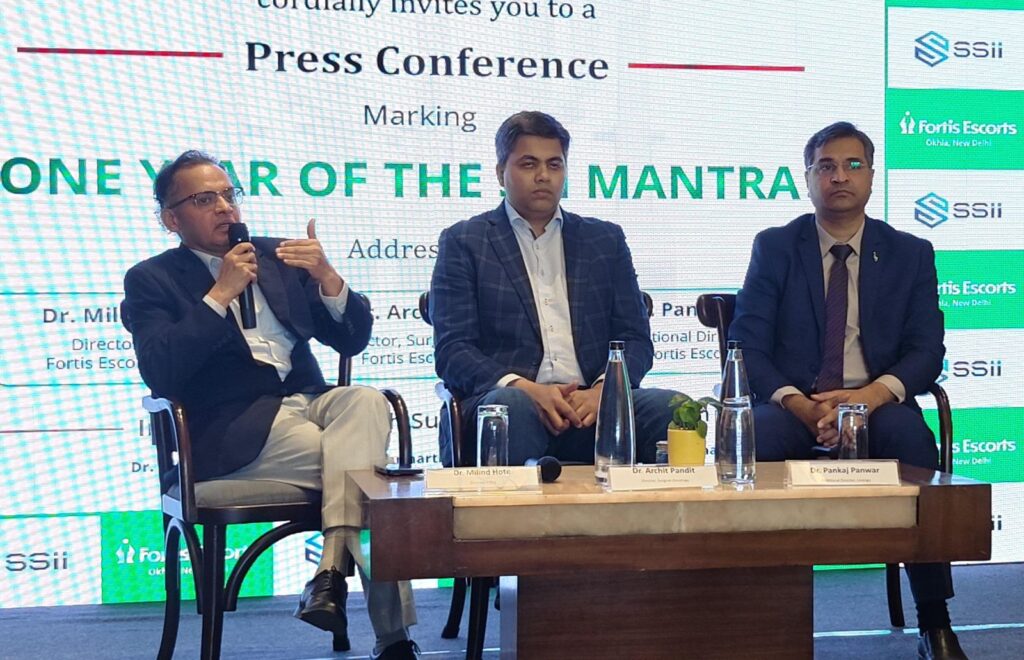
The discussions underscored how robotic-assisted procedures are transforming specialties such as urology, oncology, and cardiothoracic surgery. Experts emphasised that the integration of precision technology is not only improving surgical outcomes but also redefining patient recovery experiences.
Dr. Pankaj Panwar highlighted the shift in urological practices, stating, “Robotic surgery allows us to perform highly complex procedures with unmatched precision and clarity. It significantly reduces invasiveness, which directly benefits patient recovery and overall outcomes.
”Echoing this sentiment, Dr. Sudhir Srivastava, Founder and CEO of SS Innovations International, pointed to the larger vision of accessibility. “Robotic surgery and telesurgery represent the next frontier. Our focus is to democratise this technology, ensuring that even smaller centres across India can adopt and benefit from these advancements,” he noted.From an oncology perspective, Dr. Archit Pandit emphasised the critical role of accuracy.
“Cancer surgeries demand extreme precision. Robotic systems enhance dexterity and minimise trauma, which is crucial in improving patient survival and recovery rates,” he said.Meanwhile, Dr. Milind Hote discussed its impact on heart and lung procedures, explaining that robotic approaches are enabling minimally invasive techniques that were once difficult to achieve, resulting in shorter hospital stays and faster healing.
The event also spotlighted the SSI Mantra Surgical Robotic System, a technologically advanced, modular platform designed to enhance surgical efficiency. With features such as multi-arm flexibility, 3D 4K visualisation, and real-time imaging integration, the system reflects how innovation is aligning with practical surgical needs.
This CME signals more than just technological adoption—it reflects a mindset shift within India’s medical ecosystem. As awareness grows and training becomes more accessible, cities like Dehradun are no longer peripheral but integral to the country’s healthcare evolution. Robotic surgery, once considered niche, is steadily becoming a standard of care, promising a future where precision, safety and accessibility coexist seamlessly.
0 Comments